
- Home
- Blog
- Buying Property in Lahore: A Practical Guide to DHA, Bahria Town, the Walled City and Beyond
Buying Guides · 29 October 2026
Buying Property in Lahore: A Practical Guide to DHA, Bahria Town, the Walled City and Beyond
Where to buy, what to check and how the transfer actually works in DHA, Bahria Town, the Walled City and across Lahore, from a real estate team with its own law firm.
By Sheikh Rizwan Amir
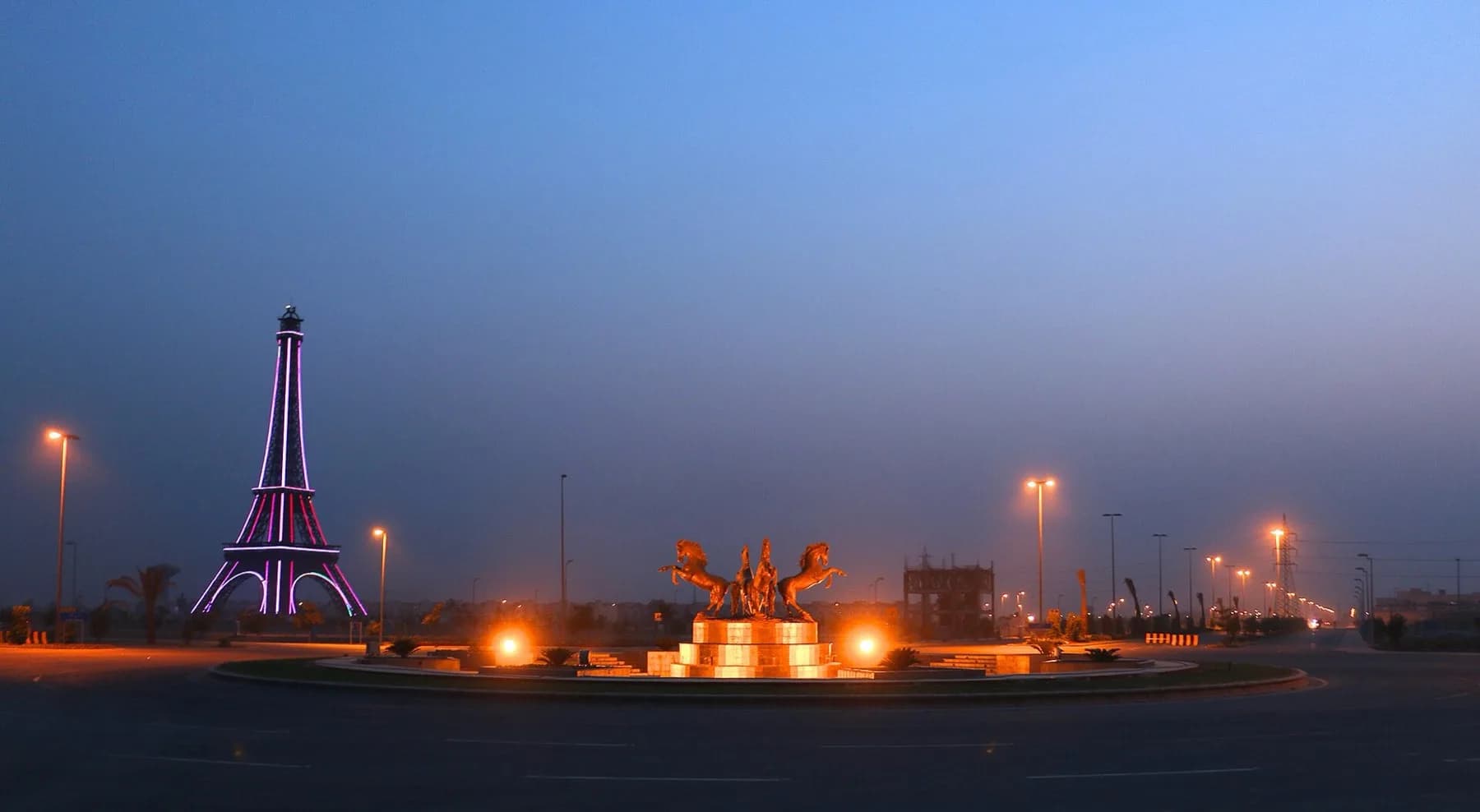
Lahore is not one property market. It is several, and they work by different rules. A plot in DHA changes hands through the Authority's own transfer office. A house in Bahria Town is transferred by a private developer. A shop inside the Walled City may sit on records that go back generations, with heirs and old agreements attached. And the rest of the city runs on revenue records, sale deeds and the Lahore Development Authority.
This guide walks through each of them: what you are actually buying, what to check before you pay a single rupee, and how the transfer works. It is written from what our team sees every day at Al-Hadi Marketing Network, together with the lawyers of Amir & Amir's The Law Firm who clear our deals.
The short version: decide what you are buying it for, verify the title before you pay token money, pay only through the bank, and never sign anything you have not read with a lawyer.
1. Before you start: three decisions
End use, rent or investment?
A family home, a rental income and a five-year investment point to different areas. Families usually want a developed, possession-ready sector with schools and parks nearby. Rental buyers care about demand, maintenance costs and how quickly a unit lets. Investors look at development stage, future infrastructure and how easily the property can be resold.
Your real budget
The price on the listing is not the cost of the property. Add the government taxes on the transfer, the society or authority transfer fee, any outstanding dues, stamp duty and registration where they apply, legal verification, and a margin for repairs or completion work. Ask for a written cost sheet before you agree to anything, so you are not surprised on transfer day.
Your tax status
In Pakistan, advance tax is collected from both sides of a property deal: from the buyer under section 236K and from the seller under section 236C of the Income Tax Ordinance. People who appear on the FBR's Active Taxpayer List (filers) pay considerably less than non-filers. Rates are revised in most federal budgets, so check the current figures for the year you buy, or ask us and we will work them out for your exact deal.
2. Buying in DHA Lahore
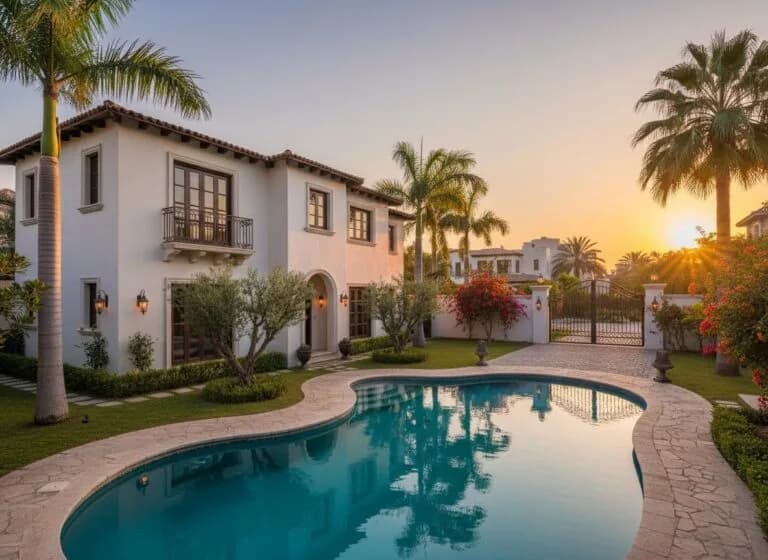
The Defence Housing Authority (DHA) Lahore is a planned, Authority-run community spread across numbered phases. The older phases are fully built, with mature trees, markets and schools; the newer phases are still developing and are where most plot investment happens. Because DHA keeps its own records and runs its own transfers, it is one of the most straightforward places in Lahore to buy, as long as you understand what kind of property you are buying.
Plot, file, or built property?
- Allotted or balloted plot: a plot with an actual number, block and phase on the Authority's records. This is what most buyers should be looking for.
- File (allocation or affidavit): a right to receive a plot in the future, before it has been balloted to a specific number. Files trade heavily and can be profitable, but their value depends entirely on the file being genuine and the project progressing. Verify every file with DHA before paying.
- House or commercial unit: built property, where you check the building approvals and completion as well as the land itself.
What drives price inside DHA
- The phase and how developed it is: possession, roads, electricity and gas.
- Position in the phase: main boulevard, park-facing, corner and near-commercial plots cost more.
- Size: common sizes are 5 marla, 10 marla and 1 kanal, and each has its own demand.
- Status: whether possession has been given, and whether there are pending dues or construction deadlines.
How a DHA transfer works
The transfer is done at DHA, not at the Sub-Registrar. In broad terms, the seller clears all dues and obtains a No Demand Certificate (NDC), both buyer and seller (or their legally appointed attorneys) attend with their original CNICs and the property documents, identities are verified biometrically, the government taxes and the transfer fee are paid, and DHA issues the transfer in the buyer's name. Requirements change from time to time, so confirm the current checklist with the Authority or with us before you book an appointment.
3. Buying in Bahria Town Lahore
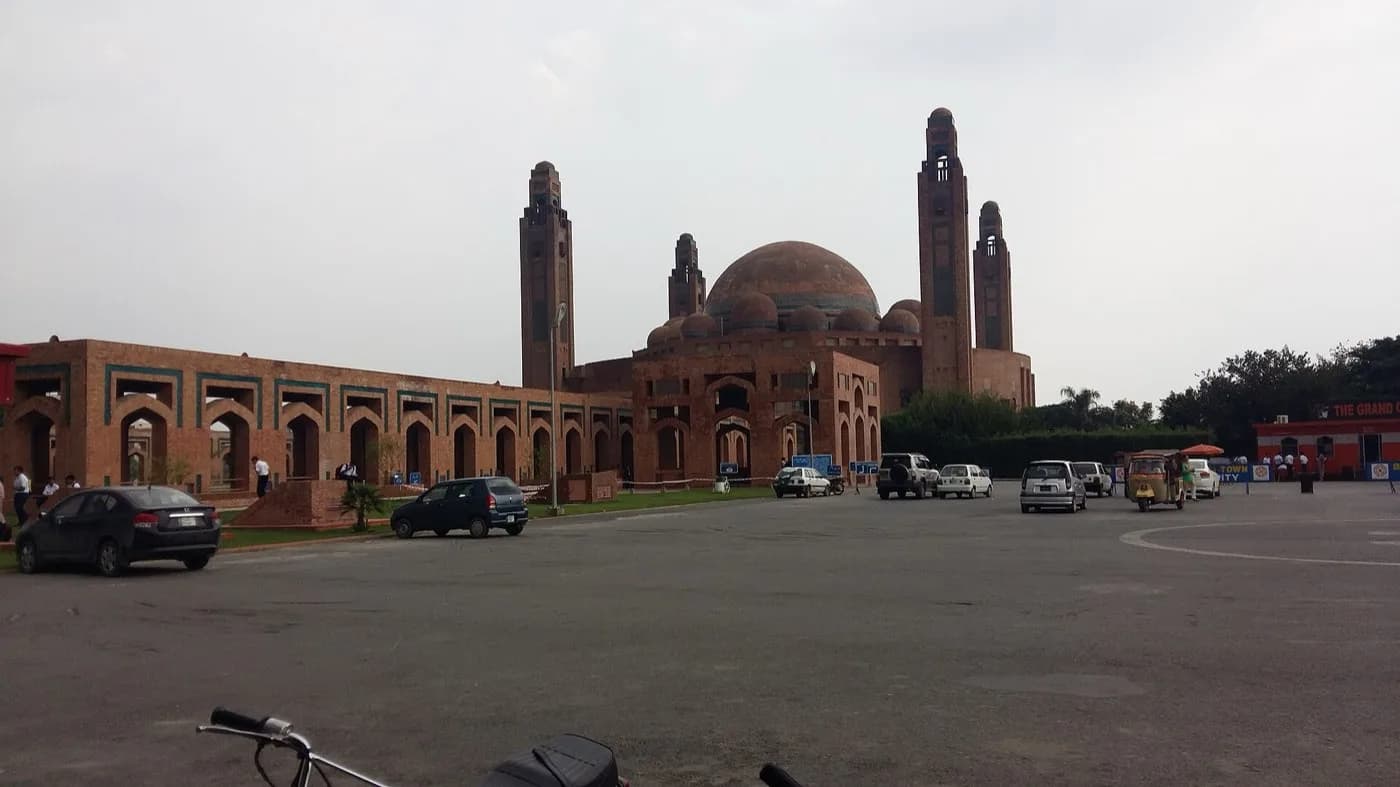
Bahria Town Lahore is a large private gated community, laid out in sectors and blocks, with its own security, maintenance and landmarks. It is popular with families for the facilities and with buyers looking for a lower entry price than DHA. Because it is developed and run by a private company, the developer's records and approvals are what you verify.
What to check in Bahria Town
- That the seller is the registered owner on Bahria Town's records, matching their CNIC.
- Whether the plot is possession-ready or still awaiting development, and whether development or maintenance charges are pending.
- A No Demand Certificate from Bahria Town confirming all dues are clear.
- The approval status of the specific sector or extension you are buying in. Bahria Town's main sectors and its newer extensions are not identical, so check the block, not just the brand.
- For built houses: the approved map and the completion certificate.
Transfers are processed at the developer's transfer office, with the same basic pattern as DHA: dues cleared, both parties identified, taxes and the transfer fee paid, then the property is moved to the buyer.
4. Buying in the Walled City
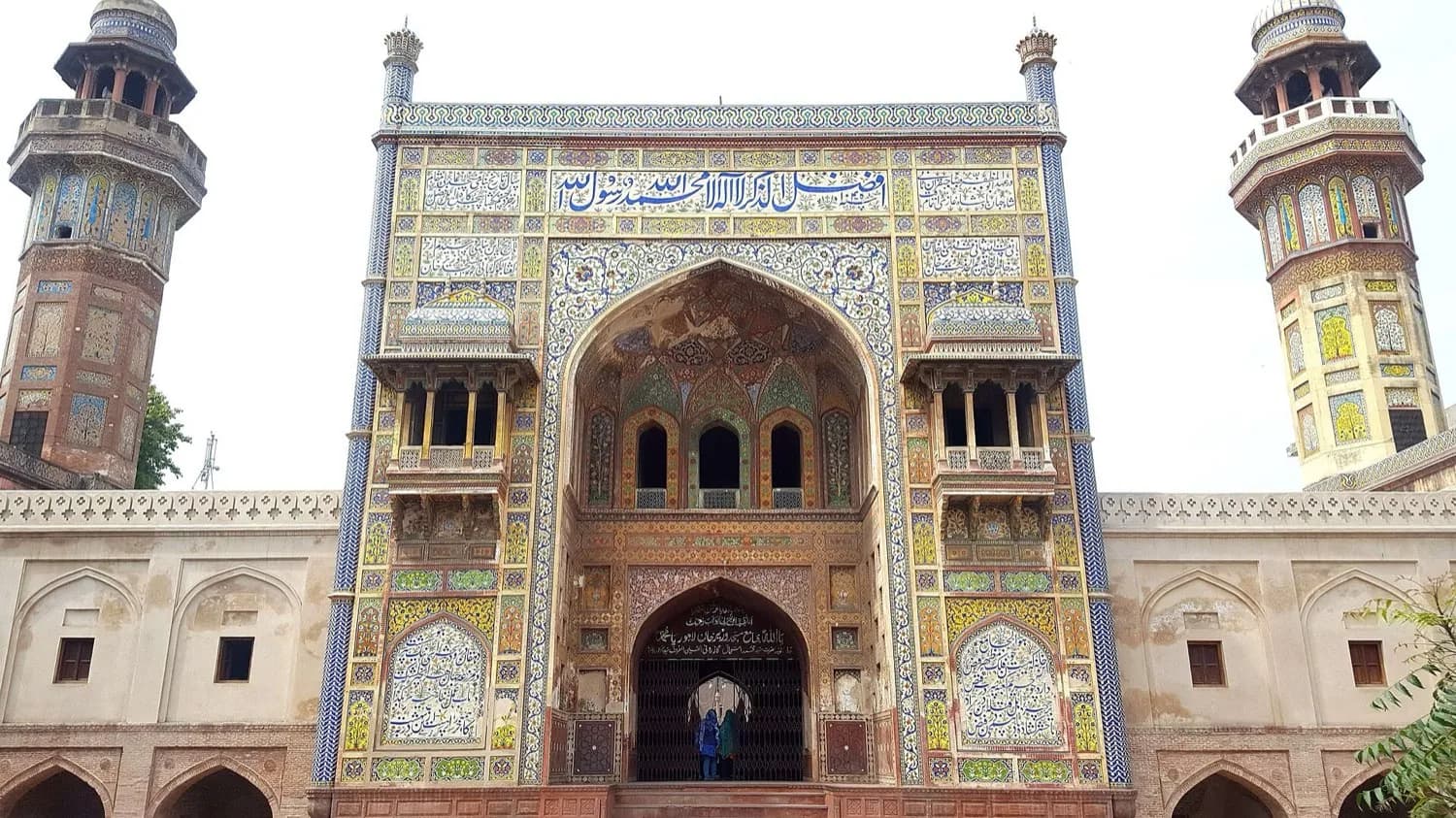
The Walled City, the historic heart of Lahore inside its old gates, is a different market entirely. Most of the opportunities here are commercial: shops, wholesale space and mixed-use buildings in some of the busiest trading streets in Pakistan. Prices per square foot can be high and rental demand strong, but the paperwork demands the most care in the city.
Why Walled City deals need extra care
- Old and inherited titles: many properties have passed down through families, so there may be several legal heirs. Every one of them must agree to the sale and sign, or the sale can be challenged later.
- Older revenue records: the ownership chain has to be traced through registered deeds and mutations (intiqal), and checked against the official records.
- Tenancies: long-standing tenants with their own rights are common in commercial buildings. Know who occupies the property and on what terms before you buy.
- Heritage rules: construction, renovation and change of use inside the Walled City are regulated by the Walled City of Lahore Authority. Check what you are allowed to do with the building before you plan around it.
- Court cases: check that there is no pending litigation or stay order on the property.
This is exactly where having a law firm on the deal pays for itself. Our lawyers trace the title, confirm the heirs, and draft the agreement so that the risk stays with the seller until the transfer is complete.
5. Buying elsewhere in Lahore
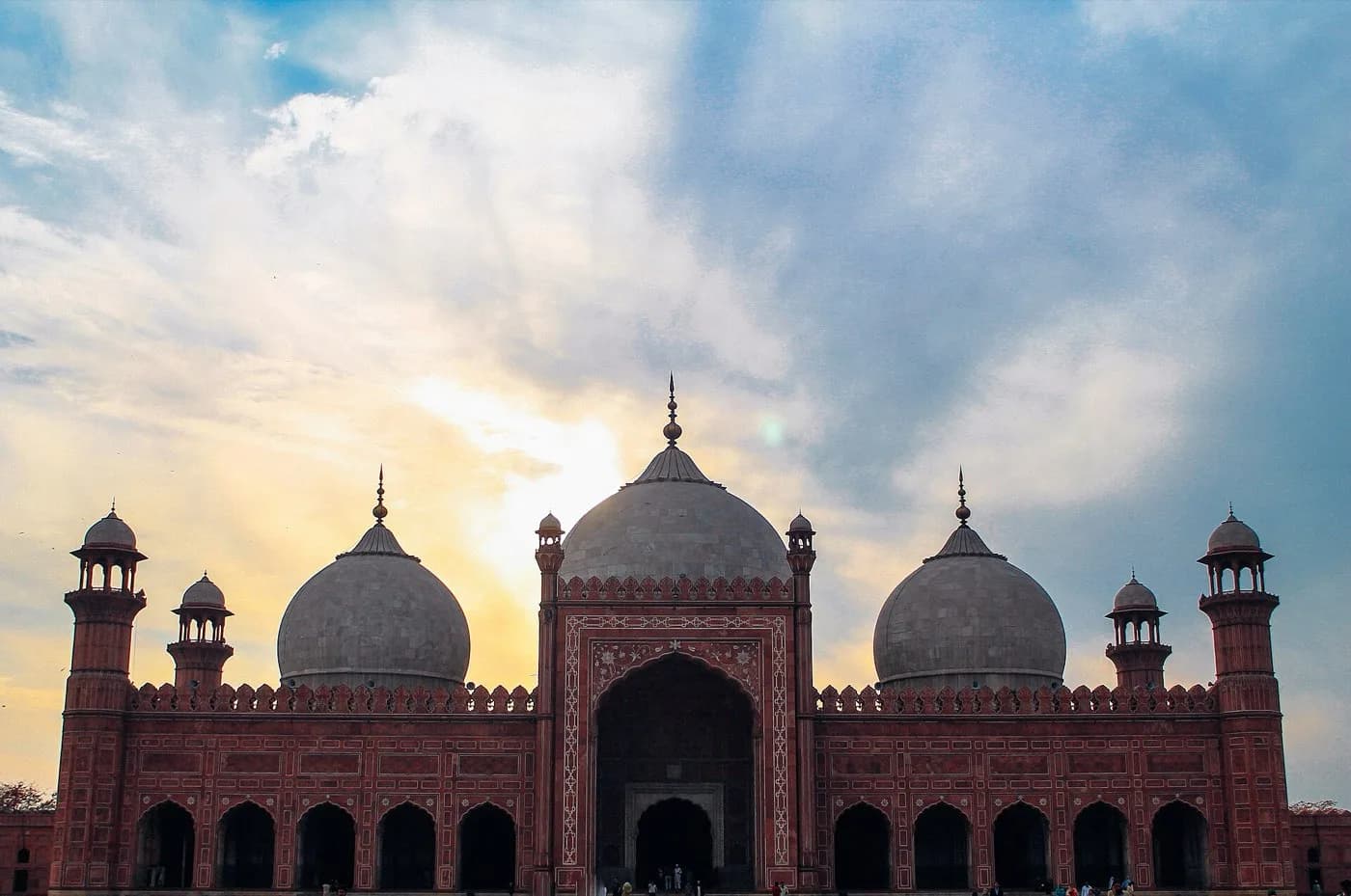
Outside the big managed societies, Lahore has established neighbourhoods, newer housing schemes and agricultural land on the edge of the city. Two checks matter most here.
- Is the scheme approved? The Lahore Development Authority (LDA) publishes lists of approved and unapproved private housing schemes. Buying in an unapproved scheme can leave you without utilities, without a building approval and without a clean title. Check the scheme before you look at the plot.
- Is the title clean? For land on the revenue record, get the latest fard from a Punjab Land Records Authority service centre, check that the seller's name and share match, and confirm there is no mortgage or other entry against it. The sale is completed through a registered sale deed at the Sub-Registrar, followed by the mutation (intiqal) in the buyer's name.
6. The buying process, step by step
- Shortlist properties and visit them in person, ideally at different times of day.
- Collect copies of the seller's CNIC and every ownership document, and verify them with the society, the Authority or the land record office.
- Check for outstanding dues, utility bills, pending litigation and any other claim on the property.
- Sign a written token (bayana) agreement: the price, the token amount, the payment schedule, the transfer date and what happens to the token if either side backs out. Get it witnessed and checked by a lawyer.
- Complete your own due diligence during the agreed period, before the main payment.
- Pay the balance by pay order or bank transfer, never in cash, and keep the receipts.
- Complete the transfer at DHA or Bahria Town, or the registry and mutation for other property.
- Take possession, collect the keys and original documents, and move the utility connections into your name.
7. Documents checklist
- Original CNICs of buyer and seller (NICOP for overseas Pakistanis).
- Allotment letter, transfer letter or registered sale deed, plus the previous chain of ownership.
- Latest fard and mutation record for revenue land.
- No Demand Certificate from the society or Authority.
- Approved building plan and completion certificate for built property.
- Latest paid utility bills.
- Token agreement and receipts for every payment.
- Power of attorney, where someone is acting for the buyer or seller.
8. Red flags that should stop the deal
- A price well below the market with pressure to pay quickly.
- A request to pay token money or the full price in cash.
- A seller who cannot produce original documents, or whose CNIC does not match the records.
- A file or plot the society cannot confirm, or a plot number that does not exist on the map.
- A power of attorney you have not verified, or one that is old or limited in scope.
- A scheme that does not appear on the LDA's approved list.
- Some of the heirs are missing from an inherited property's sale.
9. For overseas Pakistanis
You can buy in Lahore without flying home. Most transfers can be completed through a special power of attorney given to someone you trust, attested by a Pakistani embassy or consulate and then verified in Pakistan. Send the money through formal banking channels, such as a Roshan Digital Account or a regular bank transfer, so you have a record of every payment. Verify everything independently: never rely only on photos and messages from the person selling to you.
10. How we help
Al-Hadi Marketing Network works on property sale, purchase and rent across DHA, Bahria Town, the Walled City and all over Lahore. Because we operate together with Amir & Amir's The Law Firm, every deal can come with legal verification of the title, a properly drafted agreement and support through the transfer itself.
Browse current listings in DHA, Bahria Town and the Walled City, see our legal services, or send us your requirement and we will shortlist options for you.
Frequently asked questions
Is buying a DHA file safe?
A genuine file from a legitimate source can be a good investment, but a file is a right to a future plot, not a plot. Verify it with DHA before paying, and understand that its value depends on the project progressing.
What is bayana?
Bayana is the token payment that reserves a property while the paperwork is prepared. Always put the bayana terms in writing, including the deadline and what happens to the money if the deal falls through.
Can a non-filer buy property?
Yes, but the advance tax is much higher for non-filers. Becoming a filer before you buy often saves more than it costs.
How long does a transfer take?
Once documents are complete and dues are clear, a DHA or Bahria Town transfer can be done quickly. The delays usually come before that point: missing documents, unpaid dues or an unverified power of attorney. A registry and mutation for revenue land takes longer.
Please note: this guide is general information, not legal advice. Rules, fees and tax rates change, and every property is different. Talk to us before you commit to a deal.